scenario based learning workshop day one

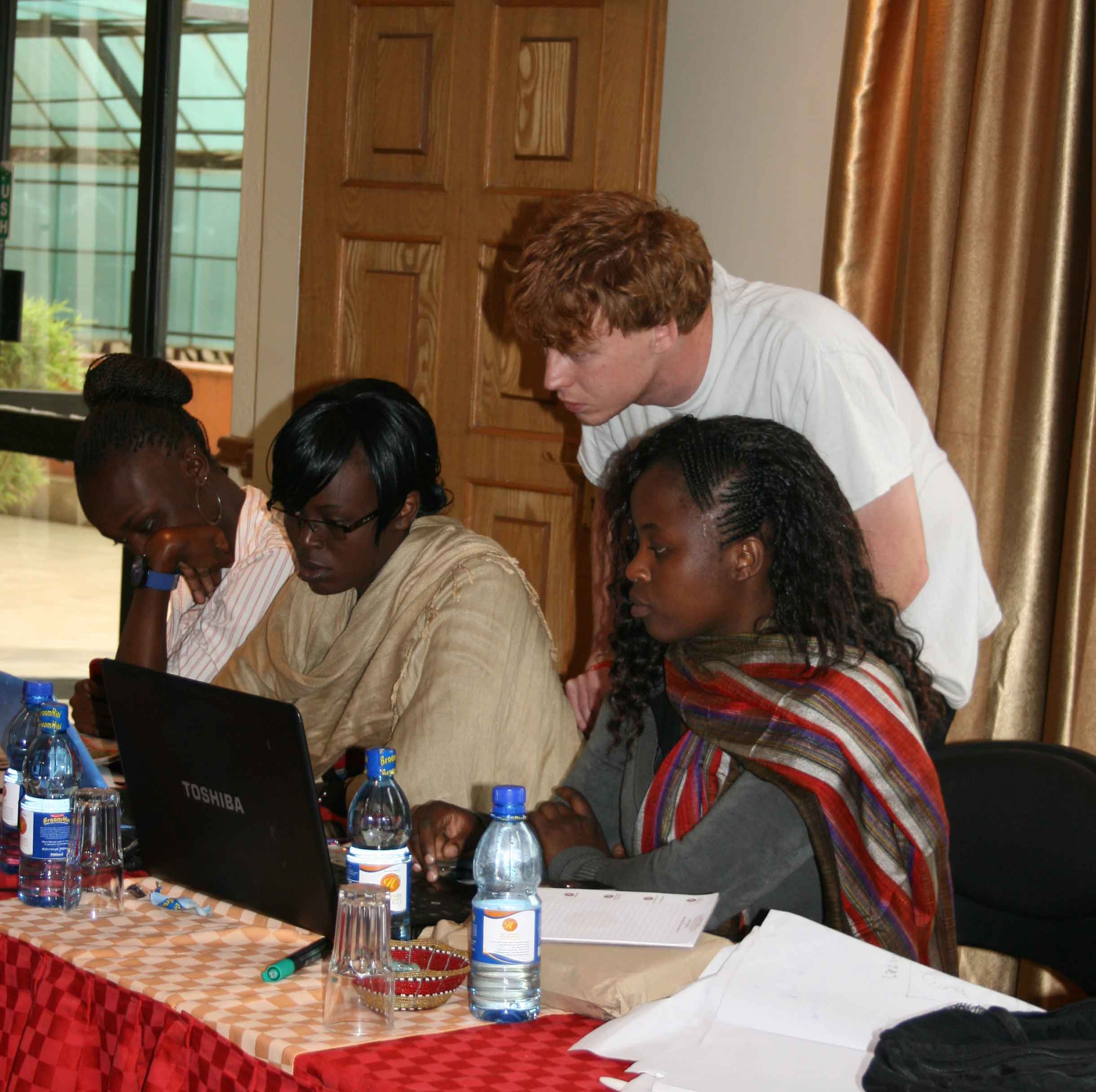
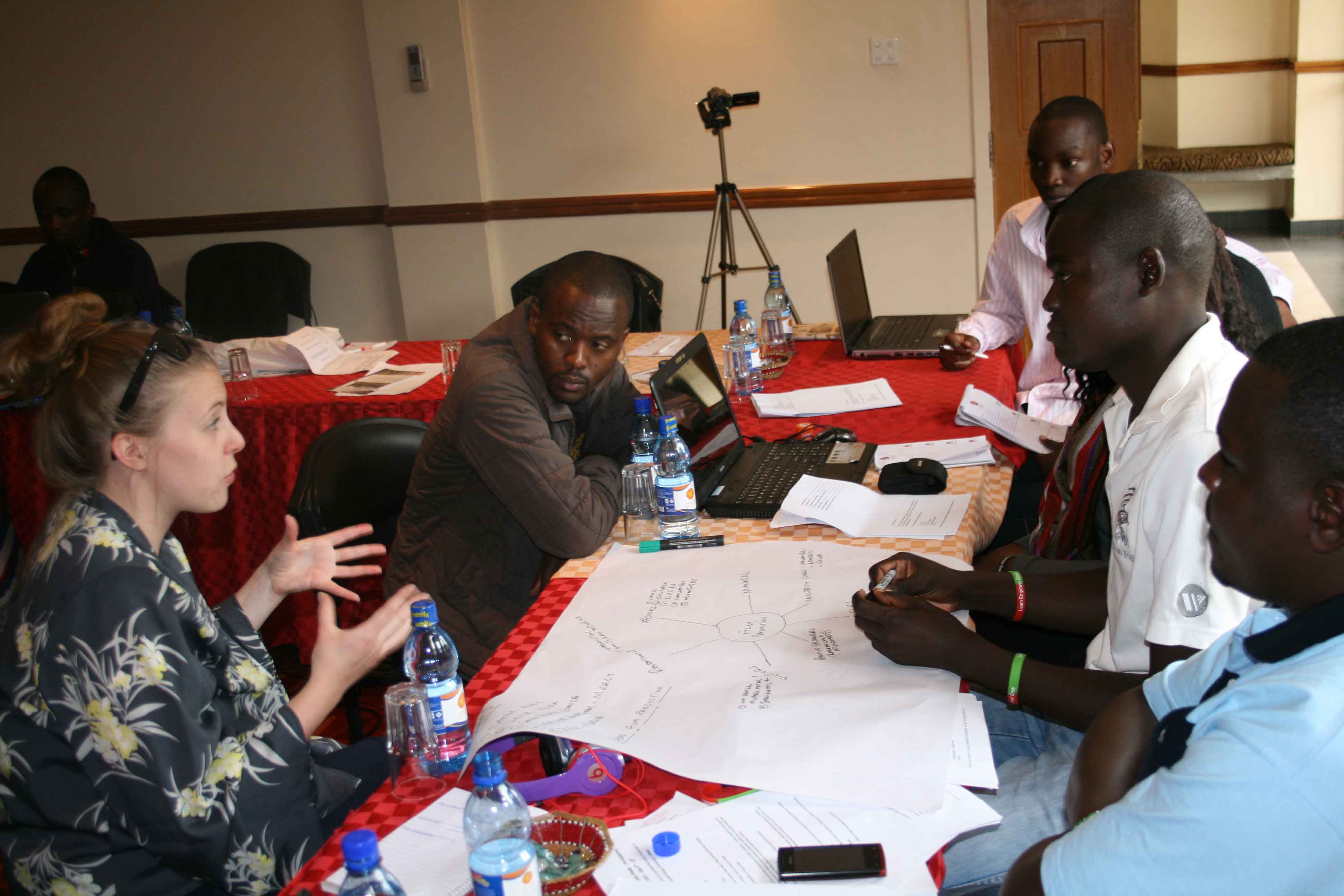
On the first day of workshops at the Hill Park hotel the first excercise we conducted with the students was a scenario based learning excercise. In this excercise the students were asked to respond to various questions designed to prompt an informal discussion about community media centre’s and the potential that community media outreach programs could realise in their various communities. The students were prompted by 5 questions but in some cases discussion evolved beyond these parameters.

Q.1  What was your motivation to be involved today?

A:

– To meet people with the same interest and share information with one another.

– To develop more knowledge for both personal and communal gain, knowledge is power.

– To learn more about how my skills can be utilized for the benefit of my community.

– To develop more pratical knowledge.

Q.2  What does a community media centre (CMC) mean to you? Share Ideas of how you think it might be of benefit to your particular communities.

A:

– It can be used as a designated meeting place for the community, to come together in one place to share the wealth of knowledge they have between them.

– Computer systems would be useful for documenting the heritage of the community, archiving information about people in the community will be useful to better understand ourselves and then see how we can develop what we already have.

– Developing stronger information systems within CMC’s will be of great benefit for local buisness’s such as farmers who could use the technology to learn more about the weather patterns and adjust their crop accordingly.

– From within the CMC social awareness campaigns can be developed based on the contributions from the community to adhere to localised issues and reach those area’s affected.

– Overall a CMC space would develop a stronger sense of community togetherness which could ease local conflicts and create a safe space for people to interact and exchange stories.

Q.3  What resources would be needed to establish and sustain a (CMC)? How might that be aquired?

A:

– Community participation from the ground up will be a must in order to sustain the developments that take place. The community must be actively involved from the beginning else it will be an external element that might not necessarily fully understand the needs of the community.

– Initial contributions will need to be sought in order to build the CMC and to put computers and equipment into the building. These contributions could be found in donations from philanthropists and possibly from the government funding parts of the project. The hardest part will be getting people to involve themselves for free. With the right incentives and demonstration of what the CMC could become this could be possible.

– In terms of practical sustainability, energy from solar panels could be a good self sustaining source. In order to sustain funding perhaps there could be a minor charge for specific activities within the CMC that are not part of a larger community project, such as casual use of the internet and personal use of equipment.

Q.4 What skills/knowledge/expertise do you possess?

A:

– Computer systems management.

– Information Science.

– Computer programming.

– Journalism.

Q.5  How do you plan to contribute to a) A CMC in your community? B) The network of CMC’s?

A:

– I plan to work with faculty inside the university such as the school of agriculture and various other departments that could contribute to the building and implementation of a CMC as well as within my community, talking to prominant figures and contacts within my reach to see what can be done.

– In the network of CMC’s I plan to contribute and participate within the online spaces and perhaps developing some of the spaces using my computer knowledge.

– Not everyone in the community necessarily has access to computers when they go back to their homestead, so perhaps to sustain the network some type of space that could be accessed through a mobile phone could be useful, and something that I could develop using my IT knowledge.

I was impressed by the eagerness of the students I worked with. They had no dilusions about how hard it would be specifically in the rural areas to develop a CMC centre. But they thought practically and thought well about how these area’s could be reached. As was brought up in the sessions, the most important area’s to reach would be these rural communities, these are the communities that make up the majority population in Kenya, and with some of the richest and untapped knowledge.

Road Trip – Books for Londiani

After the intensity of the community media capacity building 3 day workshop in Nairobi, the next leg of our journey required a trip to the Kingsway Preparatory School in Londiani, Kerichio County – to deliver books collected as part of the student preparations for the trip. We were carrying books donated by the University of Brighton’s Library and Portsmouth Public Library service – the combined weight of which meant, that our luggage came in just under the baggage allowance of 30Kg/person. The books were requested as a contribution to introducing English to the young pupils.

Our tour operator optimistically estimated that it would only take 3 hours to travel to Londiani from Nairobi. As it turned out, Londiani is only about 40 kilometers from Kibugat. Had I know this I would have realised that 3 hours was a gross underestimate. In the end it took us just over 4.5 hours getting there and just over 5 hours returning due to poor traffic conditions on the Great Rift Valley Escarpment. All of which and the impending rain (which came down in monsoon proportions) meant that our visit was restricted to 2 hours……but what a 2 hours?

We were welcomed on arrival by some 200 students singing a traditional honoured visitors welcome. After introductions were made, visitors’ book signed and books presented we were given a tour of the school, which included visiting classes 6 & 7 combined and 8 (those about to graduate to High School). Lessons were all laid out on the blackboard and I was amazed, as I started to ask pupils questions about the lessons, by their reading standards and knowledge – to say nothing of their eyesight (the writing was awfully small). We also visited the youngest pupils. Adoption of a similar approach of asking questions received a mixed reception. On the left of the class were young pupils eager to share with me the answer to the question, “who likes school?” On the right of the class – one nipper took one look at me and burst out crying inconsolably. Despite my protestations that I was the recipient of a University of Brighton Excellence in Teaching & Learning award, she was not to be quieted ;-).

Impressed by the reading standard

Impressed by the standard of literacy

A tasty lunch of wholegrain rice, green peas and cinnamon chapattis was followed by being shown a milk production project they run to generate income. Currently, the only have 2 cows but hope eventually to have 5. We were then taken to the well and it is here that we can probably help most. At present the well only produces enough water for approximately 7 or 8 months in the year. In order to ensure the school has water all the year round and that pupils don’t have to walk miles for water (missing out on school time). Soon, I will be announcing a campaign aimed at raising funds for this worthy project.

By now the 2 hours were very nearly up. The clouds were looking ominous and if we were to get away…..it had to be soon. Before departing however, we were asked to take pictures of the entire school. As I took the first picture, instead of getting them to say cheese, I counted down with fingers in the air 3…..2…..1…..CHELSEA!!!!!!! The kids loved this and started giggling and the laughter grew infectiously as each year took turns until the entire school and village onlookers were in fits of near hysteria when I got the teachers to do exactly the same as the kids. It was a silly moment but on such moments of fun relationships can be formed.

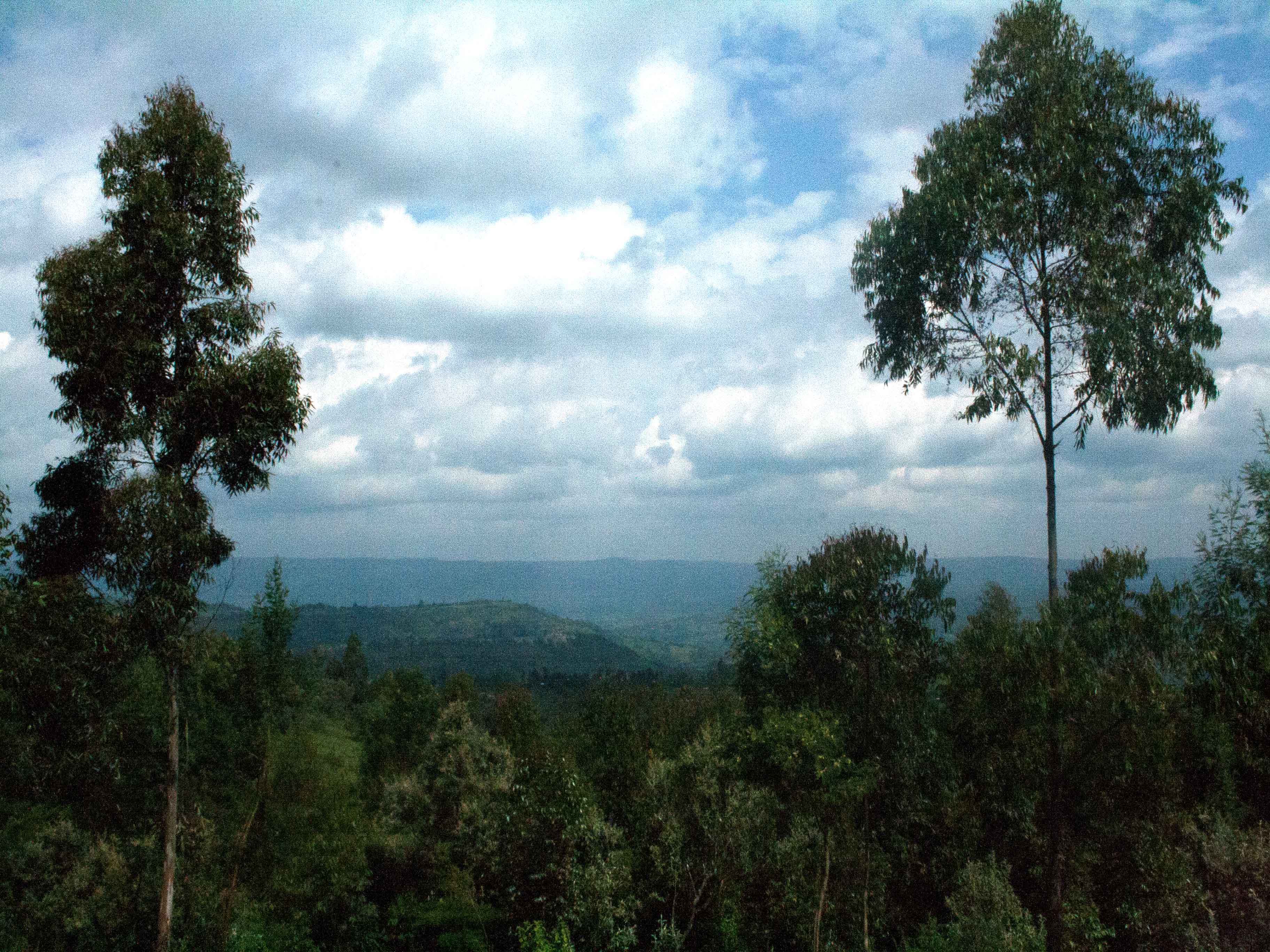
We were all sad that we had to leave before the rains moved in and the rough roads turned to thick mud but it had been a wonderful day and we will definitely return to Kingsway sat on top of a hill overlooking the most beautiful vista…..a valley of all shades of green imaginable and wonderful hills rising majestically as a dramatic backcloth.

PSlondiani

Aside

Once again today we drove out of Nairobi and saw a variety of different landscapes that the Kenyan countryside has to offer – luscious green mountains, fields of trees and vegetation, as well as acres of dried landscapes. The drive to the Massai Mara was interesting as we drove further away from Nairobi and closer to rural villages, signs of poverty were more present – litter on the sides of the road, people living in mud huts, and rocky roads rather than tarmac.

As we reached the Massai Mara we checked into our accommodation. The campsite was beautiful with colourful flowers and trees surrounding the tents. Our tents were big and had two double beds in each tent, which the connected to a concrete bathroom. I was excited to stay here for the night, although with the amount of flies and bugs that filled the tent in the evening, it turned out to be problematic! After putting our stuff in our tents, we went to the Massai village. The male villagers performed there traditional dance, showed us around their huts and how they make fires, as well as educating us about their traditions and lifestyles. Afterwards the selling of their handcrafted jewellery commenced! I wanted to buy some handcrafted gifts to give people back at home, so I was interested to see what they had. I did buy some jewellery, however my haggling skills were not great as I felt the pressure of the men waiting for me to name my price. After I bought some items we met the women and they greeted us with a song. Round the corner from where they were standing, more women were waiting for us in wooden frames with more handcrafted items that they wanted to sell. People swarmed around us putting different items in our faces with the hope of a sale. I wanted to buy some items from the village in particular as I wanted the villagers to receive my money rather than someone looking to rip off tourists, however the forceful sale was too intense for me! We then took a short drive in the Massai Mara safari and saw some wonderful animals such as zebras, giraffes, antelopes, and hyenas, although my favourite was seeing the lions and their cubs! This short taster trip into the safari was amazing and I can’t wait to see what animals we see tomorrow!

Once again today we drove out of Nairobi

Londiani

Driving out of Nairobi today and seeing the Kenyan landscape was incredible. I had never realised, or expected, how mountainous and green the Kenyan countryside is. We stopped off at The Great Rift Valley – as it was on the way to Londiani – and took in the magnificent view. I even learnt some history! Continuing on the journey the wildlife that we saw on the side of the road was incredible – zebras, baboons, donkeys, and monkeys. I am use to seeing sheep, cows, and maybe the occasional rabbit, but nothing like this. Usually I would argue that maybe if the Kenyans came to England and saw the English wildlife that I take for granted, then maybe they would be amazed, but there are still sheep, cows, and rabbits here too!

Out journey to Londiani took longer than what we were advised – I am learning quickly that Kenyan time is slower than English time – but the time travelled was worth the wait. The road up to the school had huge pot holes and cracks, making it impossible to get the car up the hill, however with a push from the locals and myself, Callum, and Rosie walking up the hill, the car made it. As we were walking up to the school, there were some children who were laughing and following along with us. As we reached the school the teachers were waiting in a line to greet us, and all the 200+ school children were also there, singing and dancing to welcome us. I was so overwhelmed that I managed to step in cow poo! We followed the children to the school office where we sat down and the head master Daniel. Daniel and the other teachers welcomed us and showed us around the school classrooms and dormitories. The school provided dormitories for students to live far away, as it is unsafe for them to walk to and from school every day.

The procedures that have to be put in place for these young children to stay safe and have an education is outstanding. Being away from their parents and sharing a bed with numerous children must be difficult. I saw a girl with a scar along the side of her face – I don’t know the circumstances that resulted in the scar across her face – but it made me realise the extreme and unsafe environment that these people live in.

Daniel also showed us projects that he has in place, such as buying cows to supple the children with milk, and a well that he wants to make more of. Listening to the projects that Daniel has in place and the history of how he started the school was touching, and made me think that the world needs more people like Daniel. A man who does good for other people and who wishes to maintain and grow peoples quality of life. All over all our trip to Londiani was overwhelming and heart touching. Hopefully in the future the University of Brighton can assist Daniel in his plans to making a future for children.

Final day of the workshop!

Yesterday was our final day at the three day workshop. We started off the morning by watching the videos that the students had filmed and edited the previous day, followed by a reflection process about their finished videos. I took one group to the side and asked them what they thought the pros and cons were of their videos, in which they wanted to do the cons first to get the bad out of the way. I didn’t want them to feel negative about what they had done, therefore after every con I asked them what they could do next time to present the problem, and I also shared my experiences of problems that I had faced when producing videos, as a tool to encourage them to keep practicing.

The cons that they highlighted were as followed;

  • The lighting in some interviews was too dark. This could be prevented by using artificial lighting, or using natural light at a certain time of day so that it is at an angle.
  • The background noise was too loud to the extent that you couldn’t hear what the interviewees were saying. To prevent this problem a clip on mic could have been used or recorded through audio, and differenting editing software could have been used to edit out the background noise.
  • Some people / potential interviewees did not want to participate, therefore interviewees could be planned and contacted in advance.
  • The credits were too fast and needed to be slown down to give the audience time to read them.

Another con that the group did not pick up on but myself and Peter did, was that the content within the video did not have a structure in the sense that the interviews didn’t connect together and the aim of the documentary was not met. We shared this con with the group so that next time they can be aware of it.

Pros that they highlighted were as followed:

  • A variety of creative camera shots and angles were used.
  • The group also liked the background music, however I highlighted to them that they can’t use copy right music, they must have permission from th artist, use their own music, or use music from internet sites that have music that is not copyright.
  • The third pro was the use of swahlil and Engligh within the documentary.

I was really impressed by the groups reflection process. Initially I was worried that they wouldn’t be critical about the cons, however they were, and I hope that what they learned will benefit them in any future project, as well as seeing the benefits of the reflection process in general.

We then showed the students how to access google docs and how to create accounts on wordpress, as both sites can be used as tools to communicate and share knowledge on a global scale. I felt like this process rounded off the three day workshop and showed how you can communicate through online engagment. I am very interested to see how they progress with the skills that we have taught them!!


Workshop reflection


After today’s session it really hit home how much we have given to the community through our 3 day workshop. After the first day everything seemed a little uncertain and up in the air without teaching benefits, but throughout the last 2 days the students confidence has grown.  Not just simply transferring our skills to the students, but fulfilling the students ambitions to learn skills to teach to others.

The reflection process of the workshop as a whole and the video production outcome were incredibly insightful. The workshop reflection displayed major benefits for the communities and students. The students, and I both understand that utilizing the technologies and resources available to them is important for bringing communities together and working sustainably. I’m amazed by how well the students picked up the skills and knowledge to plan, produce and edit a video. It gave me an unbelievable sense of achievement in the fact I played a part in the start of changing and adapting the lives of community members. Giving people the opportunity to develop and transfer the skills developed throughout the workshop to help empower the lives of community members.

Workshop members were keen to develop their skills throughout the 3 days, and I hope they are continue and develop their skills and display this through the use of the blogging tool, WordPress. This way people can understand their ideas for CMCs and their ideas and visions can be developed through the support of others.

Watching the videos at the beginning of the session made me feel so proud! Proud that within 2 days we had turned a group of people who shied away from contributing and responding to questions asked, to people who can worked well in a team to understand the benefits of learning skills to transfer to others and give them an opportunity to have a say through the power of expression. My main reason for partaking in this journey was to see what my knowledge and  skills can do to better someone else’s live, maybe not directly but indirectly through the transferring of skills.

The whole trip so far is a complete eye opener to how much so little can do to change other people’s lives…

Community Media Capacity Building workshop – Final Day

The final day started in plenary session with a presentation of the videos produced the day before by the two production crews. I have to say here and now that I was blown away by both videos. Yes there were one or two technical weaknesses and glitches but the fact that the participants put these videos together in 6 hours, and that included an hour for the introduction to video presentation mentioned in my earlier blog and the collective mind mapping and story boarding, using Flip cameras (as useful as they are they are little more that mobile phone video cams and as such have their limitations. I will post both videos here shortly.

After the presentations I got them to break back into their production crews and gave them 20 minutes to reflect critically and accurately on both the end product (where they identified weaknesses and how this might be improved) and the production processes and their roles in those. What followed when we came back into plenary session provided us with evidence of their capacity to engage both individually and critically in some quite excellent critical thinking and reflection. I have asked them to post their evaluations on the Youth Development Voices blog (link posted earlier). The discussion moved into a general evaluation of the 3 day workshop and I asked all participating stakeholders to share their feedback. I am happy to report that everyone hailed the workshop as a great success – it seems that participants were energised and enthused to the extent that many wish to apply what they’ve learnt in the development of Community Media Centres in their communities. Of course the glow of exciting engagement can soon wane if not sustained and we are already exploring ways in which we can support their activities.

Both of the young editors had already posted their crew’s respective videos on YouTube and these were then linked to the Youth Development Voices blog. I will embed them on here presently for your enjoyment.

As we moved towards the close of the workshop and one final lunch together, my students facilitated some practical workshops on the use of WordPress; the use of Googledocs as a shared workspace to support distributed collaborative learning; and mash-ups – linking the blog with other social media such as Facebook and Twitter. In this way we managed to get the few remaining stragglers signed up to the blog and posting contributions. Obviously, some are more confident authors than others but we encourage all contributions as these workshops have been about Participatory Action Learning supporting the building of capacity; empowering the young participants and facilitating students and provide spaces and processes for diverse young voices.

Callum explains the finer points of blogging

Callum explains the finer points of blogging

All in all I am extremely happy about the way that this workshop has been facilitated by my students and engaged in by the participants. Their own blogs both here and on the Youth Developing Voices blog bear testament to the workshops effectiveness and overall success. I am extremely proud of my students who have been a major credit to themselves and to the University of Brighton. They have confirmed my faith in them and in this particular approach to teaching and learning – which blends pedagogy with andragogy and heutagogy approaches with participatory action learning and critical reflective thinking. By the same token, the participating students from a number of Kenyan universities and NGOs were equally a credit to themselves and their organisations. It was great to know that practitioners from UNDP programmes sat alongside students and a lecturer, a Dean and even a Principal (vice-chancellor) of a university engaging with such enthusiasm and creativity. I wish to thank Willice & Gordon from the International Youth Council Kenya for their organisation and dedication is ensuring the workshop went ahead. For a number of reasons it went through various iterations in the planning phase but they pulled it off and ensured it was a success.  The presence of Accord an agency for cooperation and research in development and their contributions throughout also helped stimulate and contextualise the significance of this workshop. The fact that they wish to explore possible future collaborations is a mark of the success of this workshop.

As we sat together for lunch the UNDP representative of a peace and reconciliation project in remotest rural Kenya approached me to discuss ways we might collaborate. This was swiftly followed by the Dean following up on yesterday’s discussions exploring how we might reach a Memorandum of Understanding.

All in all this has been quite an amazing 3 days. I have been surrounded by some extremely talented young people who have engaged in the workshop and who are determined to use their skills, knowledge and enthusiasm to make a difference and empower their communities. Quite, quite amazing…..I am truly humble to have been part of this workshop.

Participants of the Capacity Building Community Media PLW

Participants of the Capacity Building Community Media PLW

Video production training – Workshop day 2

The 2nd day of the Community Media Capacity Building workshops became CMC Day for the participants. Community Media Centres provided the focus for the video training. In what was to prove to be an eventful day the students took the participants through an introduction to video, which included pre-production, production & post-production; different types of shots and angles and framing the shot.

I was taken off for a meeting with the Principal and Dean of a Kenyan university who are interested in developing a media studies partnership (practice and theory) with the University of Brighton and the students split the participants up into two production groups and started to go go through mind-mapping processes with them in order to generate the ideas for the story-boarding for the videos.

Mind-mapping and story-boarding with Laura

Mind-mapping and story-boarding with Laura

As the students continued to facilitate the participatory video training the Principle outlined his vision of setting up a community media centre facilitated by students and staff but designed to engaged with and support farmers, women’s groups, youth groups, HIV & drugs awareness outreach activities and much much more. He stated that he’d been impressed with the workshop and would like to enter into a Memorandum of Understanding in which staff and student exchanges from Media studies could be introduced and in which we could pursue joint research funding bids. There was an exciting exchange of ideas and hopes as to how this might be achieved and I will be bringing back my thoughts on the meeting and discussing them with my line managers before we proceed but next year’s student trip to Kenya might be another small step toward this exciting partnership.

On the down side I missed a concealed step, twisted my ankle which caused a significant amount of pain. I received a massage from a physio (which hurt like hell). After taking the pain killers and anti-inflammatories that I took (good risk assessment & H&S training) and resting it up all night….the swelling is reducing and whilst still painful…..I suspect all will be well in a couple of days. Right now however, I’m doing a pretty good impression of hop-a-long Cassidy ;-).

The rest of the afternoon proceeded through intensive video production training and the day came to a close with both teams having completed their videos. These will be shown in plenary in the morning and then posted to Vimeo with links posted on this site……enjoy.

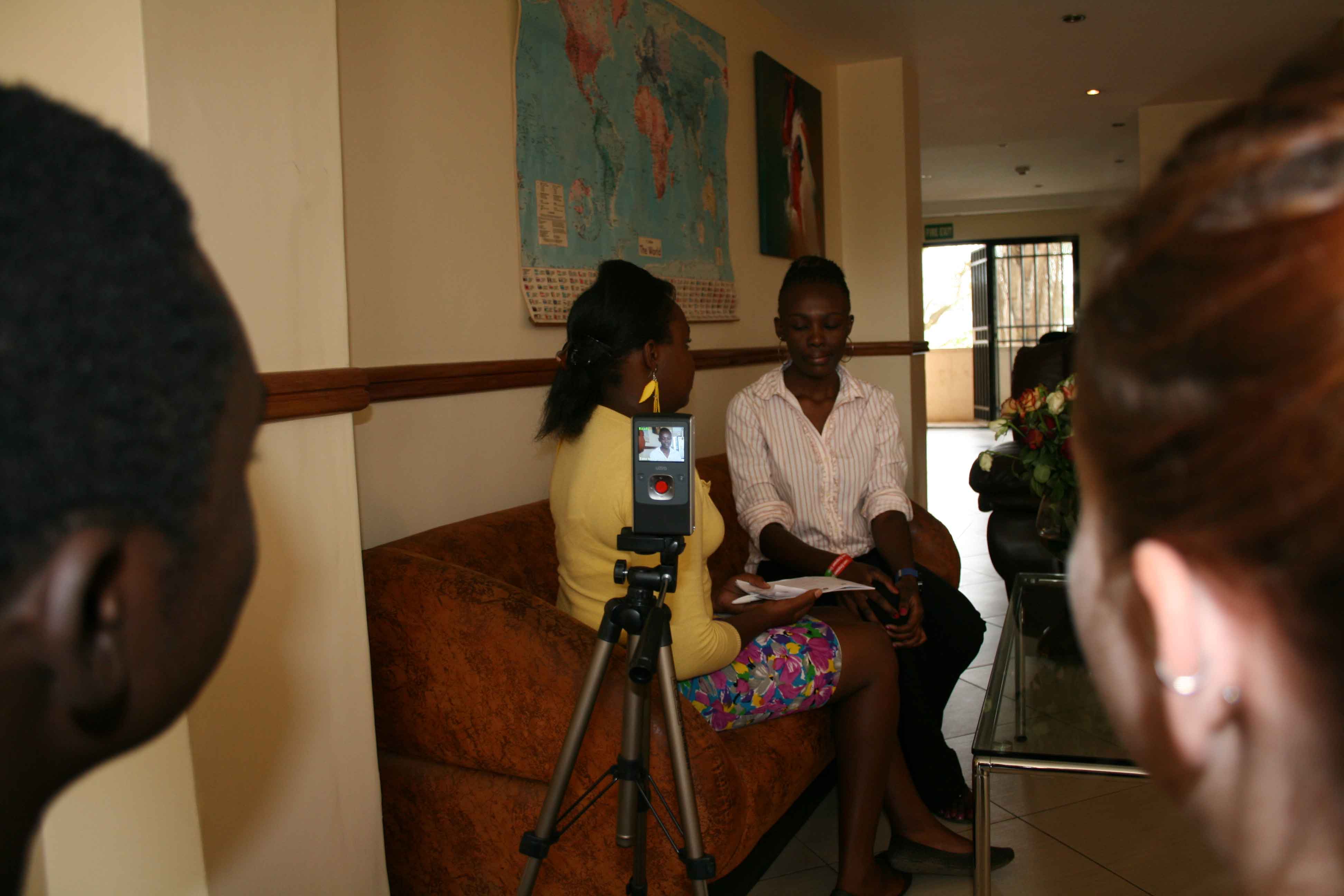
Rosie & Dennis watch the shoot

Rosie & Fred watch the shoot